ACWM | The Association Of Chartered Wealth Managers
Legal Pitfalls in Will Drafting
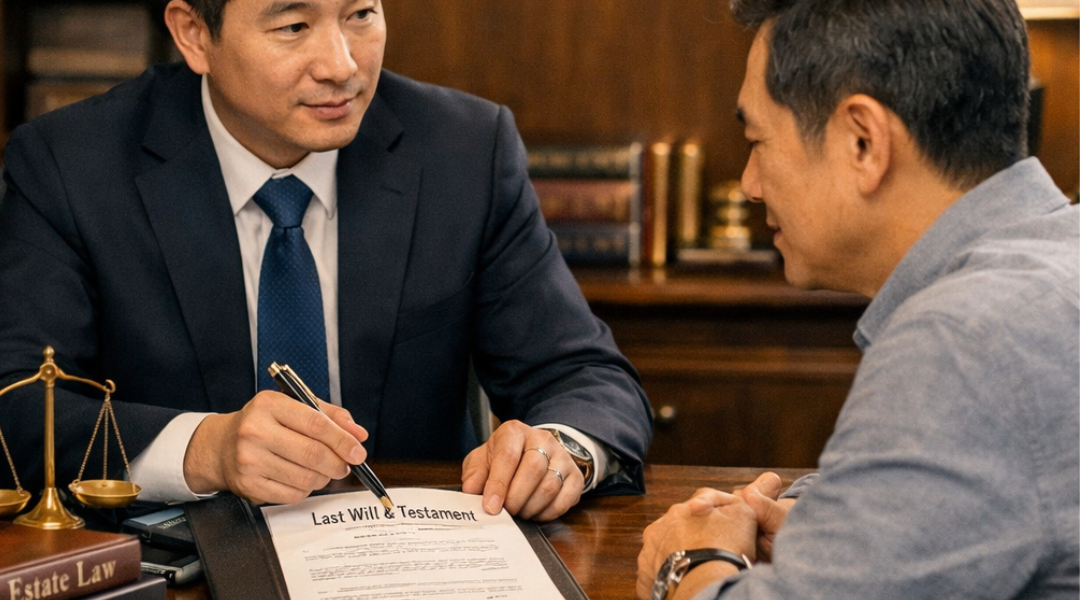
The Devil in the Details: 5 Legal Pitfalls in Will Drafting Every Wealth Manager Must Know
In wealth management, a Will is often the first line of defense in a succession plan. However, its strength is entirely dependent on its legal validity. A single technical error can lead to years of litigation, family disputes, and the erosion of a client’s legacy. As ChWM professionals, it is our duty to ensure that a client’s final wishes are not just expressed, but legally enforceable.
- The Witness Trap
One of the most common mistakes is having a beneficiary or their spouse act as a witness. Under Hong Kong law (and many common law jurisdictions), while the Will itself might remain valid, any gift made to that witness or their spouse becomes void. Ensuring independent witnesses is a basic yet critical step often overlooked in DIY Wills.
- The “Net Estate” Reality
Clients often plan based on their gross assets. However, a Will only distributes the “net estate.” Legally, executors must settle all outstanding debts, funeral expenses, and taxes before a single cent reaches the beneficiaries. Professional advisors must help clients factor in liquidity for these immediate obligations.
- Cross-Border Jurisdictional Challenges
In today’s globalized world, clients often hold properties in multiple countries. A Will drafted in Hong Kong may cover “movable assets” globally, but “immovable assets” (real estate) are usually governed by the law where the property is situated. Relying on a single Will for multiple jurisdictions without expert local advice is a recipe for disaster.
- Safeguarding Against Capacity Challenges
With increasing longevity comes an increase in probate litigation based on “lack of testamentary capacity.” For elderly clients or those with health issues, obtaining a contemporaneous medical report is no longer optional—it is a best practice. It provides the executor with the necessary evidence to defend the Will against disgruntled relatives.
- The Impact of Life Transitions
Many clients do not realize that marriage typically revokes an existing Will automatically, while divorce may affect the status of a former spouse as an executor or beneficiary. A Will is not a “set and forget” document; it requires a strategic review at every major life milestone.
Why ACWM Focuses on Legal Literacy
At the Association of Chartered Wealth Managers (ACWM), we empower our members with deep insights into Will-writing and probate through our specialized workshops. By mastering these legal nuances, our members move beyond being “product providers” to becoming “trusted legacy architects.”
Your clients’ peace of mind depends on your attention to detail. Let’s ensure their legacy is built on a rock-solid legal foundation.
ACWM | The Association Of Chartered Wealth Managers is proudly powered by WordPress